BoltGrid BoltGrid

Why Are Global AI Server Manufacturers in High Demand?

Time:2026-09-28 Author:Oliver
0%

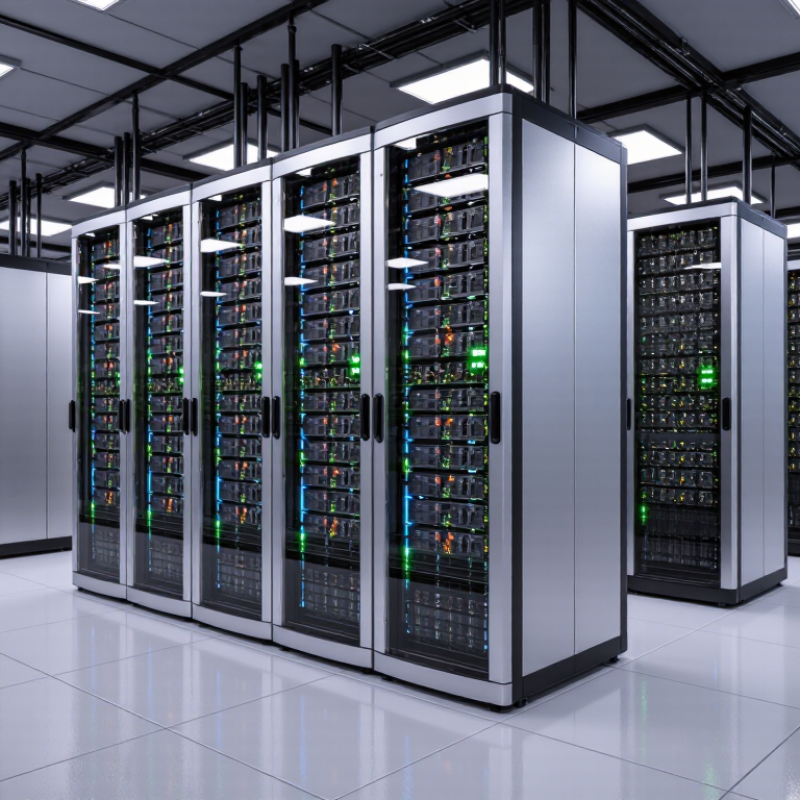
Why are global AI server manufacturers in high demand? The answer begins with a practical shift: AI workloads need more than powerful processors. They also depend on fast memory, high-speed networking, reliable storage, and carefully managed cooling. A server rack running large models can draw substantial power and produce intense heat. Small design choices matter. As cloud providers, research teams, and businesses expand AI services, they need systems built to handle these demanding workloads.

That demand has raised the profile of global AI server manufacturers. Their work can include integrating accelerators, tuning airflow, validating components, and supporting deployment across data centers. A well-designed system may help customers use expensive hardware more effectively, though results depend on workload, configuration, and operating conditions. The market is not simple. Supply constraints, power limits, and changing chip platforms can complicate purchasing plans. High demand alone does not prove that every manufacturer offers the same quality or support. Buyers still need to compare specifications, service coverage, compatibility, and independent testing where available. There is room for caution. Some claims deserve closer inspection, especially when performance figures lack clear test conditions. Understanding these factors helps explain why demand is growing—and why choosing a server partner requires more than following the latest AI trend.
Why Are Global AI Server Manufacturers in High Demand?

What Global AI Server Manufacturers Produce

Global AI server manufacturers build systems designed to train and run demanding machine-learning workloads. Their output includes accelerator-heavy server nodes, rack-scale assemblies, and supporting storage and network components. Not just boxes. A typical system combines processors, accelerators, high-bandwidth memory, fast network interfaces, and power supplies. Manufacturers integrate and test these parts so they operate together under sustained loads.

Some suppliers deliver complete racks, including cabling, cooling equipment, and management software; others focus on server components or integration. Gartner forecast worldwide spending on AI-optimized servers at $33 billion in 2024, up 55% from 2023. IDC projected global spending on AI-centric systems would reach $632 billion by 2028. These figures cover broader system spending, not server hardware alone, but they show why production spans more than the chassis.

Heat and power shape the final design. Manufacturers may build liquid-cooling loops or configure air-cooled systems for specific data-center conditions. They also validate firmware, workload performance, and component compatibility before shipment. A specification sheet can still miss practical issues: installation space, maintenance access, and local power capacity matter. And cooling plans are not always as simple as they look.

How AI Servers Support Machine Learning Workloads

Why Are Global AI Server Manufacturers in High Demand?

AI servers turn large machine-learning workloads into practical computing tasks. During training, accelerators process batches of examples in parallel, while high-bandwidth memory keeps model weights close to the chips. Fast networking helps multiple servers exchange data without slowing each other down. Inference has a different rhythm: servers must respond quickly as users send requests. Latency matters.

The Stanford Institute for Human-Centered AI’s 2024 AI Index Report found that training compute for notable AI models has doubled roughly every five months. That pace helps explain demand for servers with dense accelerator capacity, robust cooling, and high-speed connections. Yet raw hardware counts can mislead. A poorly balanced system may leave expensive processors waiting for data. More GPUs are not always better. I would check workload benchmarks before choosing a server configuration.

Tips: Match memory capacity and network bandwidth to the model, not just the accelerator count. Test real training or inference jobs, and track power use and temperature. Small bottlenecks matter.

Why Are Global AI Server Manufacturers in High Demand?

Estimated global AI server shipments, 2023–2025

AI workloads rely on parallel computing, high-bandwidth memory, and fast data movement. These capabilities help servers train machine-learning models and run inference at scale, contributing to rising demand. Shipment figures are rounded industry estimates.

Key Factors Driving Global Demand

Why Are Global AI Server Manufacturers in High Demand?

Key Factors Driving Global Demand

AI workloads require far more than ordinary computing. Training a large model can involve thousands of processors working together, while everyday inference must deliver responses with little delay. This pushes data centers to seek servers with dense accelerator capacity, fast memory, and high-speed connections between machines. Power matters. So does cooling. A rack filled with powerful hardware can produce substantial heat, making liquid cooling and careful airflow increasingly important. These needs create demand for manufacturers that can design, assemble, and test complete server systems rather than supply isolated components.

Cloud providers, research institutions, and businesses are expanding AI services, but their requirements differ. A research lab may prioritize flexible configurations, while a service operator needs reliable systems that can run continuously. Supply-chain resilience also matters: shortages of advanced processors or memory can delay deployments, so buyers value predictable delivery and technical support. In practice, installation space, electricity costs, and maintenance staffing can shape a purchase as much as processor speed. Forecasts are not always tidy; planned capacity may exceed what a facility can power or cool. Even so, demand remains strong as organizations move AI from experiments into routine operations.

Industries and Applications Fueling Adoption

AI server demand is growing as industries bring machine learning into everyday operations. Hospitals use image-analysis systems to help review scans, while researchers train models on large collections of medical data. These tasks need fast processors, substantial memory, and reliable storage. The work is demanding.

Factories apply AI to camera feeds that spot surface flaws on moving products. A missed defect can mean costly rework, so low-latency processing matters. In finance, models help detect unusual transaction patterns and assess risk, though human review remains important when results affect customers. Retailers use demand forecasts to adjust stock before shelves run empty. These needs differ, so a single server configuration rarely fits every workload.

Cloud providers and research centers also expand capacity for language, weather, and engineering models. Their systems may run thousands of accelerators, drawing significant power and producing considerable heat. Cooling and energy planning are therefore part of the purchasing decision, not afterthoughts. Smaller companies may rent computing instead of buying equipment outright. That can reduce upfront costs, but availability and ongoing fees still deserve scrutiny. Adoption is growing, yet forecasts can be wrong; some projects need less computing than early estimates suggest.

Supply Chain and Production Challenges for Manufacturers

Global AI server demand is growing faster than many production lines can adapt. TrendForce forecast that AI server shipments would rise 41.5% in 2024, reaching about 12.1% of total server shipments. Each system needs more than processors: high-bandwidth memory, advanced networking, power supplies, and cooling equipment must arrive in sequence. One missing component can leave an expensive chassis unfinished.

The bottlenecks are not always visible. SEMI projected global semiconductor manufacturing capacity growth of 6% in 2024 and 7% in 2025, but added capacity does not instantly solve shortages in specialized chips or advanced packaging. Manufacturers also face long equipment lead times, tight testing schedules, and changing customer specifications. A production plan can look solid on paper. Then a memory allocation slips, and finished servers wait on the factory floor. Forecasting helps, but it is never perfect.

Tips: Track lead times for memory, accelerators, and power components separately. Keep qualified alternatives where possible, and review capacity forecasts with suppliers. Small buffers can prevent costly delays, though excess inventory ties up cash. That trade-off deserves attention.

FAQS

What do AI server manufacturers produce?

They build systems for training and running machine-learning workloads. These may include server nodes, complete racks, storage, and networking equipment.

What parts are commonly combined in an AI server?

A system may include processors, accelerators, high-bandwidth memory, network interfaces, and power supplies. Manufacturers test how these parts work together.

Why do AI servers need specialized cooling?

Dense accelerator systems generate substantial heat. Manufacturers may use liquid-cooling loops or configure air cooling for the data center. Cooling can be trickier than it looks.

How do AI servers support model training?

Accelerators process batches of examples in parallel. High-bandwidth memory keeps model data close to the chips, while fast networking connects multiple servers.

What matters when choosing a server for inference?

Response time matters because servers handle incoming requests. Check latency, memory capacity, and power use with realistic workloads.

Which industries use AI servers?

Hospitals may analyze medical images, and factories may inspect camera feeds for product flaws. Retailers can use forecasts to plan stock. Needs vary.

Is a server with more accelerators always better?

No. A system can leave costly processors waiting for data if its memory or network is unbalanced. Test the actual workload before deciding.

What should buyers check beyond the specification sheet?

Check installation space, maintenance access, local power capacity, temperature, and cooling plans. A specification sheet cannot answer everything.

Is renting computing capacity a practical option?

It can reduce upfront equipment costs for smaller organizations. Still, check availability and ongoing fees. Forecasts can be wrong.

Conclusion

Global AI server manufacturers produce high-performance computing systems designed to process the enormous datasets and complex calculations required by artificial intelligence. Equipped with powerful processors, accelerators, memory, and fast networking, these servers support machine learning tasks such as training models and generating predictions. Their specialized designs help organizations handle demanding workloads more efficiently than general-purpose systems.

Demand is growing as businesses adopt AI across areas such as healthcare, finance, manufacturing, research, and cloud services. Organizations seek faster processing, scalable capacity, and reliable infrastructure to support increasingly advanced applications. However, manufacturers must navigate challenges including component shortages, production costs, energy use, and complicated global supply chains. Meeting these demands requires careful planning and continued investment in efficient designs and manufacturing capacity.

Oliver

Oliver

Oliver is a seasoned marketing professional with a wealth of expertise in driving brand awareness and engagement. With a deep understanding of our company's product offerings, he consistently delivers high-quality content that enriches our professional blog. His insights not only shed light on......